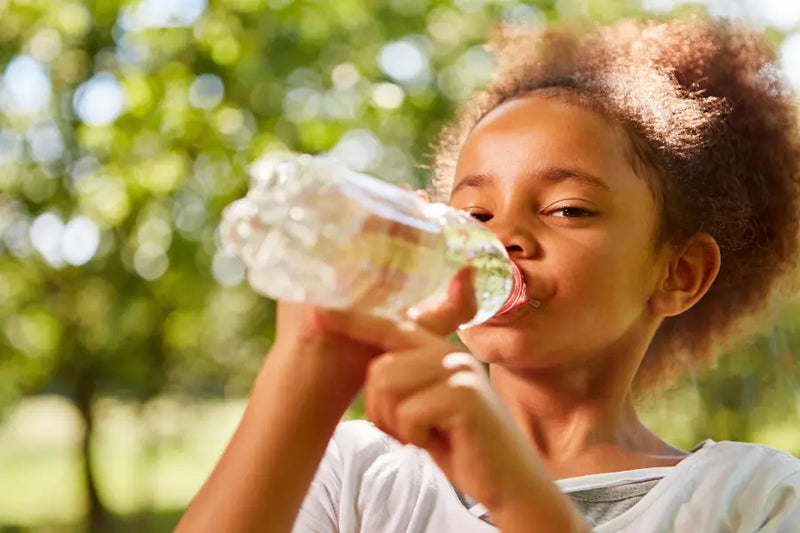
Know your
hydration level
in seconds.

A simple urine specific gravity test designed to help you check hydration status at home, after workouts, travel, or busy days.

Hydration Test Strips

$16.95
1

You are not imagining it.

Your body may be asking for more fluids before you feel seriously thirsty.

THE TEST

A clear answer, at home.

FSH is the hormone that rises as your body moves through menopause. This test reads it — so the changes you've been feeling have something measurable behind them.

The same biomarkers used in clinical settings.

Urine Specific Gravity

Urine Specific Gravity

The simplest measurable signal of your hydration state.

LEARN MORE

Easy to use, quick to read, and discreet.

Designed with clinical-grade methodology for dependable results.

URINE SPECIFIC GRAVITY

Your urine becomes
more concentrated as
hydration drops. The test
helps show where you are.

5 levels

Hydration scale

45

seconds results ready

URINE SPECIFIC GRAVITY

Practical guidance

Easy to use.
Easy to understand.

Everything you need to take the test, understand the result, and know what to do next.

Step 1

Sample Collection

Step 2

Sample Deposit

Step 3

Compare Colors

This product is not intended for the diagnosis, cure, mitigation, prevention, or treatment of a disease or condition. The product is not a substitute for professional medical advice, clinical diagnosis, or treatment.

IN THE BOX

Everything you need.

A look inside the kit, and how it works.

Questions

The ones we hear most often.

Yes, it is possible to urinate directly on the test strip, which is a straightforward approach for many users. However, this method can be challenging for certain individuals, such as those with motor impairments or older adults who may find it difficult to position the strip correctly while urinating. In such instances, a more manageable alternative is to collect a midstream urine sample in a clean cup or container and then use the test strip as a dipstick.

To do this, start urinating into the cup and then insert the test strip into the urine for the specified amount of time as instructed. This approach allows for better control and positioning of the test strip, reducing the risk of errors and ensuring accurate results. Using the dipstick method can also help minimize contamination and allows the test strip to be fully immersed in the urine sample, which is crucial for reliable readings. Both methods are effective, but selecting the one that best suits your situation will help ensure the accuracy and ease of your testing process.

Hydration Test Strips, which measure Urine Specific Gravity (USG), provide results in just 45 seconds after the strip has been dipped into the urine sample. It’s important to ensure that the strip is fully submerged and then promptly removed, allowing any excess urine to drain off naturally without wiping it. After 45 seconds, the color on the test strip will indicate your hydration level, which you can compare against the provided color chart for accurate interpretation.

It's crucial to read the results within the 45-second to 2-minute window. Reading the results after 2 minutes can lead to inaccurate interpretations, as the test strip may continue to develop color changes beyond this time frame, which are not reliable indicators of your actual hydration status.

If you are using this test as part of a routine or clinical assessment, be sure to follow these timing guidelines strictly to ensure the most accurate and consistent results.

The duration of dehydration varies significantly depending on its severity and how quickly it's addressed. For mild dehydration, which can occur after exercise or minor fluid loss due to factors like sweating, recovery is typically quick. Once you start drinking water and electrolyte-rich fluids, symptoms such as dry mouth, thirst, and mild fatigue generally improve within a few hours. The body can efficiently rehydrate during this time, especially when fluids are consumed promptly after fluid loss.

Moderate dehydration tends to last longer and is often a result of more prolonged fluid loss, such as from vomiting, diarrhea, or a period of inadequate fluid intake. In these cases, it can take 12 to 24 hours to fully recover. It’s important to not only replenish water but also restore electrolytes, as electrolyte imbalances can lead to prolonged symptoms. Drinks like oral rehydration solutions, sports drinks, or electrolyte tablets are particularly useful in these situations because they help restore sodium, potassium, and other critical minerals that are lost during fluid depletion. Without replenishing these electrolytes, symptoms like dizziness, weakness, headaches, and dry skin may persist, delaying recovery.

In the case of severe dehydration, recovery can take several days, especially if medical intervention is required. Severe dehydration often results from significant fluid loss over an extended period due to illnesses like heatstroke, chronic vomiting, diarrhea, or other medical conditions. When dehydration reaches this stage, symptoms become more serious, including confusion, rapid heart rate, sunken eyes, and very little to no urination. In such cases, intravenous (IV) fluids are often needed to rapidly rehydrate the body and correct electrolyte imbalances. Severe dehydration can also put strain on the kidneys and other organs, sometimes requiring longer recovery times and close medical monitoring to prevent complications.

Regardless of the level of dehydration, it’s essential to identify and address the underlying cause—whether it’s illness, heat exposure, or insufficient fluid intake—to prevent recurrence. After rehydration, continuing to drink fluids regularly helps ensure the body remains properly hydrated and functions optimally. This is especially important in preventing dehydration from recurring, as the body needs to maintain a healthy fluid and electrolyte balance for vital processes like temperature regulation, digestion, and circulation.

The time it takes to recover from dehydration depends largely on its severity and how quickly fluids and electrolytes are replenished. For mild dehydration, which often occurs after physical activity, sweating, or exposure to a hot environment, recovery can be fairly rapid. In these cases, simply drinking water or fluids containing electrolytes usually rehydrates the body within a few hours. Symptoms like a dry mouth, slight thirst, or mild fatigue tend to improve quickly, especially if rehydration starts immediately after fluid loss.

For moderate dehydration, which can result from conditions like vomiting, diarrhea, or moderate fluid loss over a longer period, recovery may take a bit longer—typically 12 to 24 hours. During this stage, water alone may not be enough to fully rehydrate the body. It’s important to consume electrolyte-rich drinks, such as oral rehydration solutions, to help restore both fluid and essential electrolyte levels, like sodium and potassium. Without replenishing electrolytes, symptoms such as dizziness, lightheadedness, or persistent fatigue may persist despite drinking water.

Severe dehydration presents a more critical situation and often requires a longer recovery period, potentially lasting several days. This form of dehydration can result from prolonged illness, high fever, or heat-related conditions like heatstroke. Severe dehydration is typically marked by more serious symptoms, including confusion, extreme thirst, a rapid heartbeat, low blood pressure, and reduced or absent urination. In such cases, oral hydration may not be sufficient, and intravenous (IV) fluids are often necessary to rapidly replenish fluids and restore electrolyte balance. Without immediate medical intervention, severe dehydration can have serious complications, especially in vulnerable individuals such as young children, older adults, or those with underlying health conditions.

Once the immediate symptoms of dehydration have been addressed, it’s essential to maintain proper hydration levels by continuing to drink fluids throughout the day. Even after initial rehydration, the body may still need time to fully restore normal functioning, and ongoing fluid intake helps to prevent a recurrence of dehydration. The total time for full recovery depends not only on the dehydration’s severity but also on factors such as the individual's overall health, age, and the underlying cause of the fluid loss.

Rehydrating from severe dehydration involves a multi-stage process and can vary depending on the individual's condition and the methods used.

Initially, severe dehydration is often treated with intravenous (IV) fluids in a medical setting. This method quickly restores fluid levels and balances electrolytes, which is crucial for stabilizing the patient. Improvement in symptoms, such as reduced dizziness and better hydration, can often be noticed within a couple of hours. However, complete stabilization may take longer, depending on the severity of dehydration and the patient’s overall health.

Once the immediate severe symptoms are managed, oral rehydration solutions (ORS) can be introduced. ORS contains a mix of electrolytes like sodium and potassium, and sugars such as glucose, which help the body absorb fluids more effectively. Using ORS can be particularly helpful for continued rehydration and can alleviate symptoms like dry mouth and fatigue. The effects of ORS are typically observed within a few hours, with gradual improvement over a day or so.

To achieve full recovery, it’s important to continue consuming fluids and ORS as recommended. Most people will see significant improvement within 1-2 days of starting rehydration treatment. During this period, symptoms should progressively improve, though individuals should remain vigilant and monitor their condition closely.

Several factors can influence recovery time. The severity of the dehydration can affect how quickly one recovers, with more severe cases potentially requiring longer periods and more intensive medical care. Underlying health conditions, such as kidney disease or diabetes, can complicate rehydration and extend recovery time. Additionally, age and overall health play a role, as younger and healthier individuals may recover more quickly compared to older adults or those with preexisting health issues.

Ongoing medical supervision may be necessary for severe cases or individuals with complex health conditions to ensure proper recovery and address any potential complications. Even after initial recovery, it is important to continue monitoring fluid intake and maintaining hydration to prevent a recurrence of dehydration.

Hydration levels in your body are not static; they can fluctuate throughout the day due to various factors. For instance, urine collected first thing in the morning is typically more concentrated, which often results in a higher urine specific gravity (USG) value. This increased concentration is due to the body's natural processes overnight, where urine is more concentrated as the body conserves water while you sleep.

Several factors can influence your hydration status, making it essential to consider them when interpreting urine test results. Fluid intake directly impacts hydration levels; drinking more fluids will generally dilute urine, lowering its specific gravity. Conversely, consuming less fluid can lead to more concentrated urine. Your diet also plays a role; high-sodium or high-protein diets can affect urine concentration. Environmental conditions, such as hot or humid climates, can increase fluid loss through sweating, affecting hydration. Additionally, hormonal fluctuations, particularly those governed by circadian rhythms, and activity levels throughout the day can significantly alter hydration status.

A spot urine test, which measures USG at a specific moment, provides a snapshot of your hydration level at that time. However, relying on a single measurement can be misleading because it may not represent your overall hydration status accurately. To gain a more comprehensive understanding, it's advisable to monitor USG at multiple points throughout the day. This approach helps account for the natural fluctuations in hydration levels and provides a more accurate picture of your overall hydration.

For a thorough clinical evaluation, it is recommended to analyze USG measurements from a 24-hour urine sample. This method offers a more detailed assessment of hydration over an entire day, accounting for variations in fluid intake, diet, and other influencing factors. By examining a full day's worth of urine, healthcare providers can obtain a more accurate and comprehensive view of your hydration status, leading to better-informed recommendations and interventions.

To assess hydration using urine specific gravity, start by collecting a fresh urine sample in a clean container. It's best to use a midstream sample for accuracy.

Once you have your sample, test it using either a specific gravity test strip or a hydrometer. If you're using a test strip, dip it into the urine sample according to the instructions provided. After a short waiting period, compare the color change on the strip to the color chart included with the kit. This chart will help you determine the specific gravity based on the color of the strip.

If you’re using a hydrometer, pour the urine into a clean, transparent container and gently place the hydrometer into the liquid. Allow it to float freely, then read the specific gravity from the scale once it stabilizes.

Interpreting the specific gravity result gives insight into hydration status. A lower specific gravity indicates that the urine is more diluted, which generally suggests adequate hydration. This means your body is efficiently excreting excess fluids and waste. Conversely, a higher specific gravity suggests that the urine is more concentrated, which can be a sign of dehydration. This indicates that your body is retaining fluids and may need more hydration to maintain balance.

Regularly monitoring urine specific gravity can be a helpful way to gauge your hydration levels and make adjustments to your fluid intake as necessary to ensure proper hydration.

Urine tests can sometimes yield false readings, meaning they might indicate a problem when there isn't one (false positive) or fail to detect a problem when there is one (false negative). Several factors can contribute to such inaccuracies, often related to the condition of the urine sample, substances present, or the way the test is conducted.

1. Substances and Medications:
One common cause of false readings is the presence of certain substances or medications.  For example:

  • False positives for ketones: Drugs like Levodopa and Phenazopyridine, or high doses of Vitamin C, may cause misleading results.
  • False negatives for nitrites: High Vitamin C intake can mask nitrite detection.
  • False negatives for leukocytes: Antibiotics such as tetracycline may interfere.
    ‍

2. Sample Composition:
The natural properties or contaminants in the urine can also affect accuracy:

  • Urine with a high pH (≥7.5) or the presence of substances like penicillin, pus, semen, or vaginal secretions may lead to false positives for protein.
  • Highly pigmented urine: Darkly colored urine, such as that caused by certain medications or dehydration, can interfere with test strip color development, yielding false results.
  • Vitamin C in the sample can suppress results for blood cells or glucose, causing false negatives.
    ‍

3. Testing and Handling Errors:
Proper storage and handling of both the test strips and urine sample are essential:

  • Delayed testing: Waiting too long to analyze the sample can affect ketone readings, among others.
  • Contamination: Using non-sterile or improperly cleaned containers may alter results.
  • Storage issues: Test strips exposed to humidity or expired strips can produce inaccurate readings.
    ‍

By being aware of these factors—including the impact of highly pigmented urine—and following best practices for storage, handling, and testing, the reliability of urine test strip results can be significantly improved.

The specific gravity of urine is a measure of its concentration compared to pure water. It indicates how well the kidneys are concentrating or diluting the urine, which can reflect hydration status and overall kidney function. This measurement is important for evaluating how effectively the body is managing fluid balance.

The specific gravity of urine typically ranges from about 1.005 to 1.030. This range can vary slightly depending on the individual and their health condition. Lower specific gravity values, closer to 1.005, indicate that the urine is more diluted. This usually occurs when a person is well-hydrated or has a condition that causes excessive fluid intake or loss.

Higher specific gravity values, closer to 1.030, suggest that the urine is more concentrated. This often indicates that the body is retaining water due to dehydration or other conditions that reduce fluid intake or increase fluid loss. Elevated specific gravity can also be a sign of kidney dysfunction, where the kidneys are not effectively filtering or concentrating urine.

Routine urinalysis often includes a specific gravity test to help assess hydration levels, diagnose kidney conditions, and monitor overall health. Abnormal specific gravity results might prompt further investigation or treatment to address underlying health issues.

Care to know.

Know to care.

We believe sharing knowledge is a form of care — knowledge that guides us to look after ourselves and the people around us. Read, watch, or listen at the depth you want.

tired of guessing.

Forty-eight,
fine, and tired of guessing.